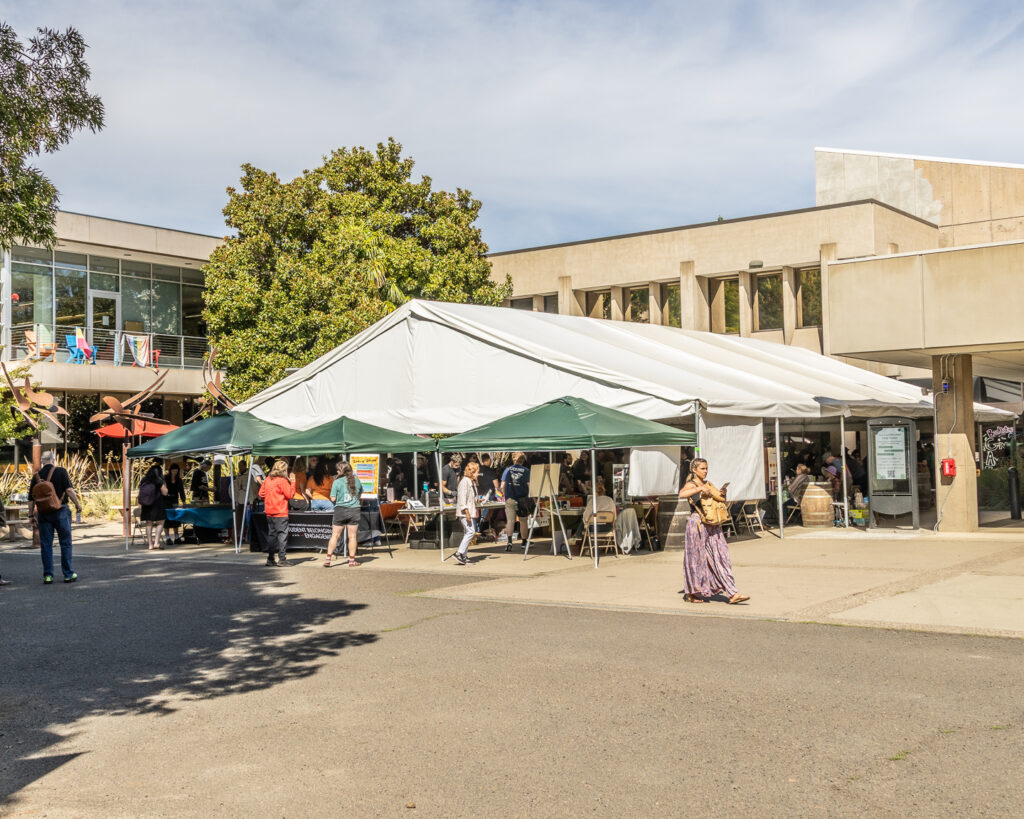
For three consecutive days during Southern Oregon University’s Week of Welcome, the tables filling the Stevenson Union courtyard changed, but the purpose remained much the same: helping students find their place.
Local businesses and community organizations arrived Wednesday, Sept. 23, for Meet Ashland & Beyond. SOU student organizations filled the courtyard Thursday for the Student Club Fair. On Friday, university departments gathered for the On-Campus Job Fair.
Together, the three events introduced students to three different parts of their college experience — the community surrounding SOU, opportunities to become involved on campus and places they may be able to work while earning their degrees.
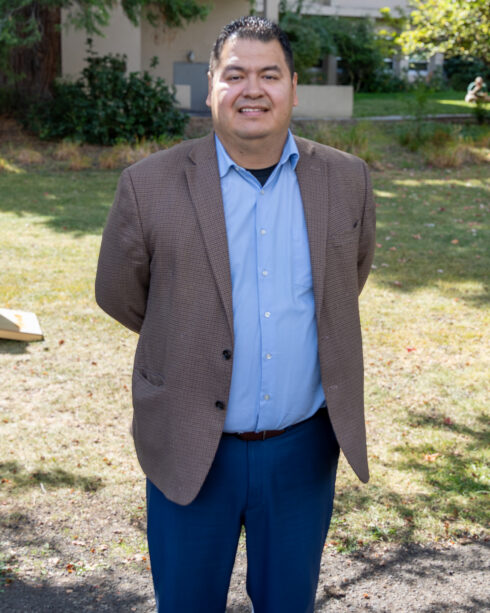
Jonathan Chavez-Baez, SOU’s Director of Student Belonging and Engagement, said helping students establish those connections is part of the purpose of Week of Welcome. For students arriving in Ashland for the first time, that means learning not only what exists on campus, but what resources and communities are available outside it.
That effort began Wednesday with Meet Ashland & Beyond.
Restaurants, congregations, banks, nonprofits, advocacy organizations and other community groups filled the courtyard. Restaurants offered samples, while financial institutions spoke with students about banking options and other organizations introduced services available throughout Ashland and Jackson County.
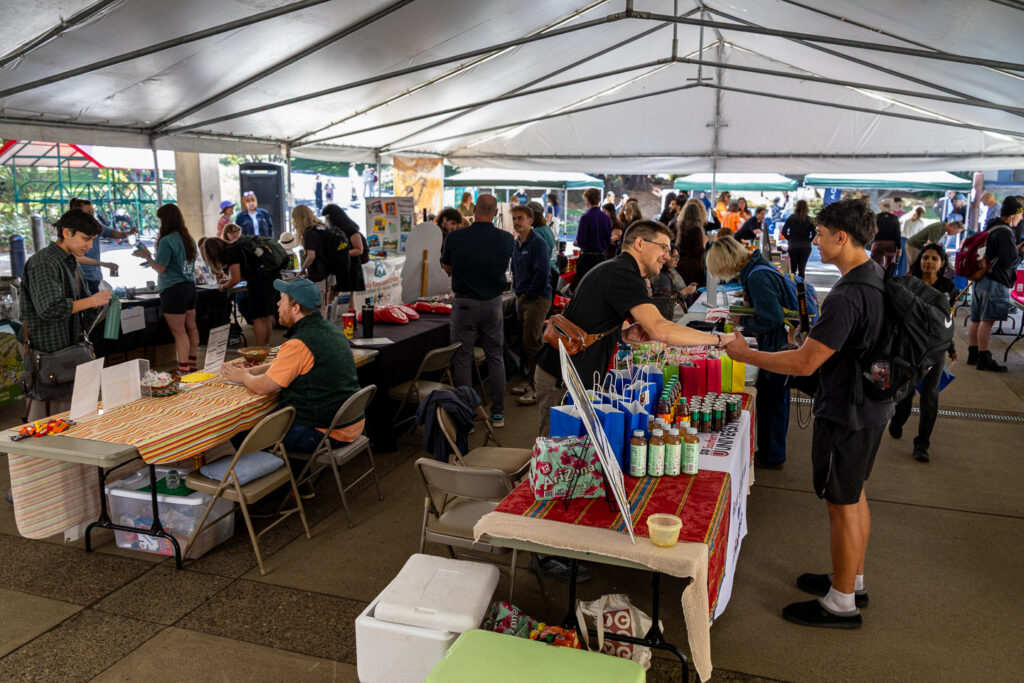
Jackson County Library Services used the event to bring one of those services directly to students.
Library representatives registered more than a dozen new members during the first hour of Wednesday’s fair, issuing library cards on the spot. Representatives said students may initially associate the public library with books, without realizing a library card also connects them with research tools, databases and other resources that can supplement what they have available through the university.
Bringing those services to campus allowed students to learn about them, and begin using them, before they necessarily had a reason to seek out a Jackson County library branch themselves.

Southern Oregon Pride also used the fair to introduce students to a community that extends beyond SOU.
SOPride representatives spoke with students about the organization’s October Pride festivities and the LGBTQIA+ community in Southern Oregon. SOPride President Jolie Balocca said connecting with students is particularly valuable for those who are new to the area and may not yet know what organizations, events or support networks exist locally.
Balocca also described the fair as a chance for the nonprofit to build relationships. Organizations such as SOPride depend on community participation and volunteers, and meeting students face-to-face gives both the organization and students an opportunity to discover ways to become involved.
The focus moved inward Thursday.
Instead of asking what students could find in Ashland, the Student Club Fair asked what they could find among one another.
The organizations represented in the courtyard reflected several different reasons students may choose to become involved. Some were interest-based, built around hobbies and recreational activities. Others were community-based, creating space around shared cultures or identities. Some were service-based, organizing students around leadership, advocacy or work on behalf of the campus community. Others were academically based, connecting students through shared fields of study or professional interests.
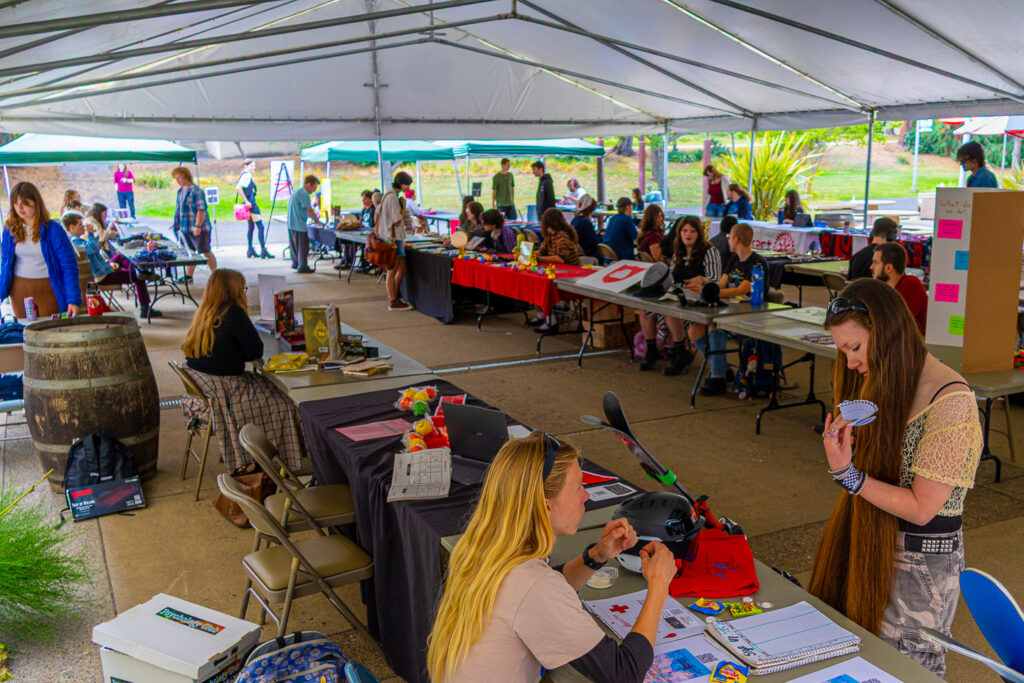
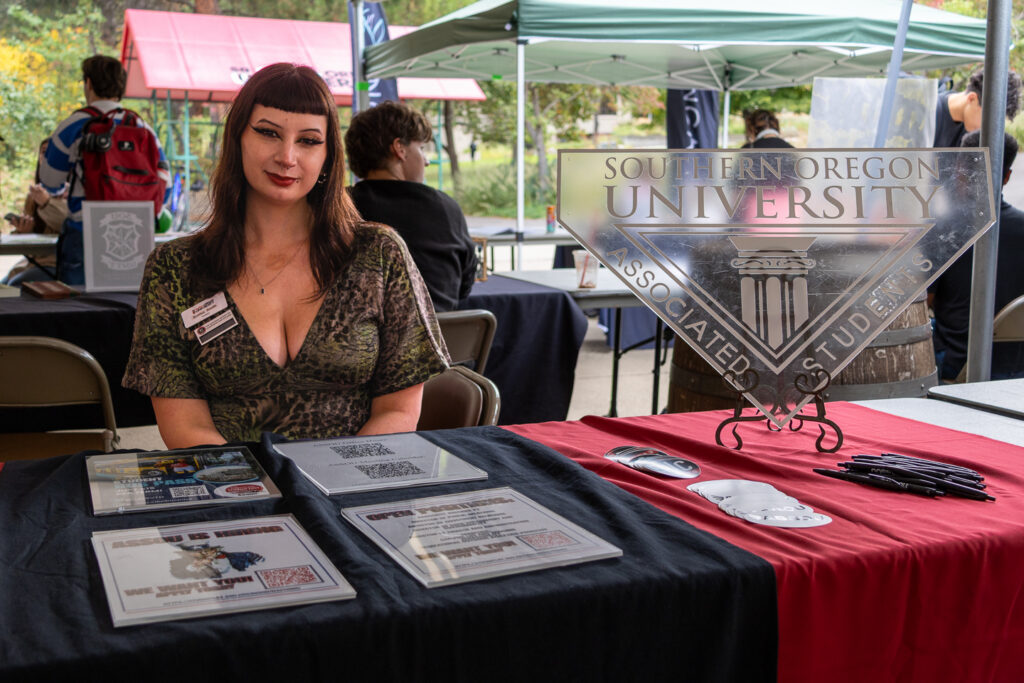
ASSOU President Sophia Smith said student organizations give students a way to become participants in campus life rather than experiencing the university only through classes.
Smith described involvement as an opportunity for students to meet people, build relationships and have a voice in what happens at SOU. Student government represents one form of that involvement, but the fair allowed students to explore dozens of organizations built around very different purposes.
For students looking for cultural community, organizations such as the Latino Student Union provided another kind of connection.
Latino Student Union representatives described the organization as a space for students to celebrate Latino culture, build community and create relationships with people who share — or want to learn more about — those experiences.
The organization’s presence also demonstrated that students did not necessarily need to join a club because it matched their major or an existing hobby. Some organizations offer community itself as their central purpose.
Other tables began with a common interest.
Anna Holbrook, representing Table Top Tavern, spoke with students about an organization centered around tabletop games and role-playing. Holbrook described the club as a welcoming place where students can meet people through an activity they already enjoy — or try something they have not done before.
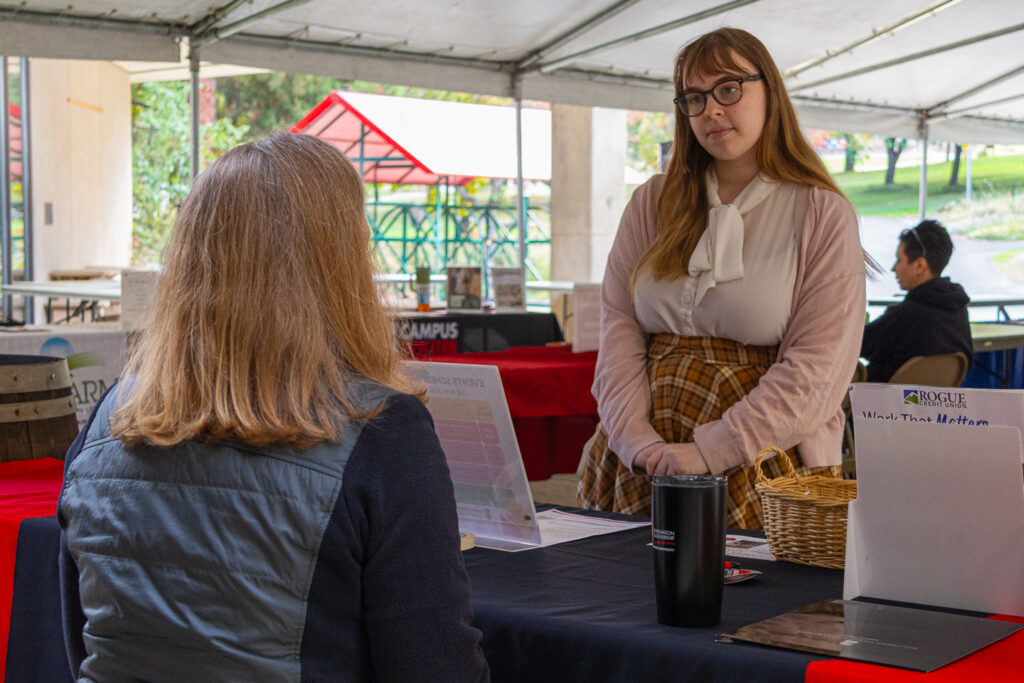
That low barrier to entry was common throughout the fair. Students could walk up to a table, ask what an organization does and decide whether to attend a future meeting without making an immediate commitment.
Academic organizations offered another route into campus life, allowing students studying similar subjects to build relationships outside the classroom and explore interests connected to their future careers.
The different organizations gave students multiple answers to the same question: where do I fit?
By Friday, the courtyard had changed purposes for a third time.
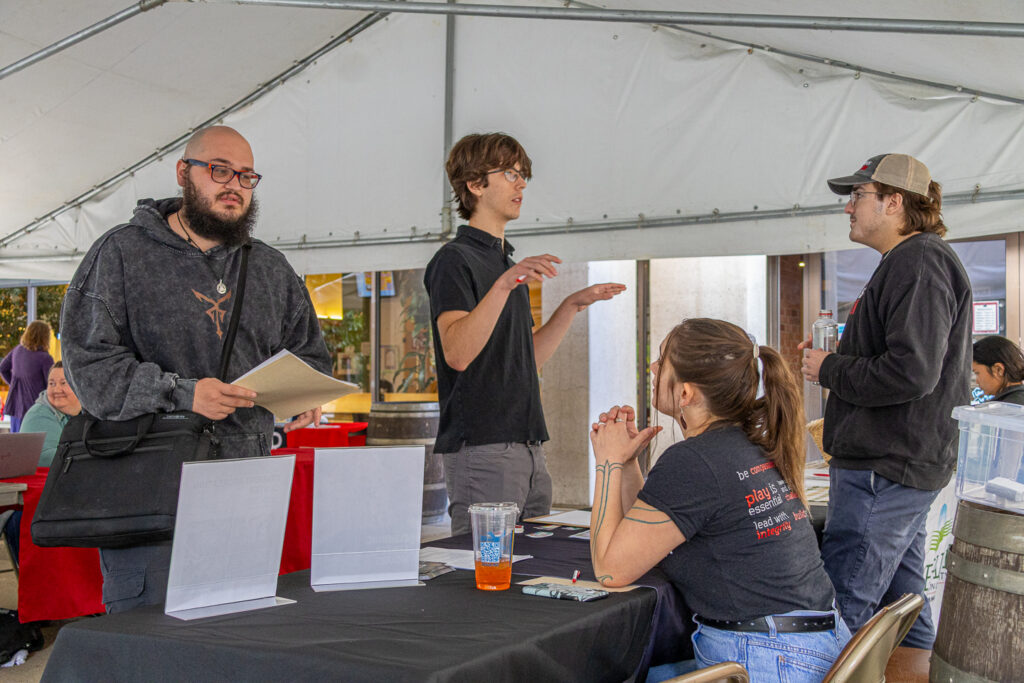
SOU departments took over the space for the On-Campus Job Fair, turning the final day of the three-event sequence toward employment.
Students moved among university departments, asked about openings and spoke directly with representatives about what different campus positions involved.
For Gabriel Frasier, Friday’s event was not his first trip through the courtyard that week.
Frasier had also attended Thursday’s club fair, where he explored organizations including the Animation Club and tabletop gaming. His experience illustrated how the fairs could overlap rather than serving completely separate parts of student life.
“Being in the club will help you make new friends,” Frasier said.
Frasier also connected some of the organizations he explored with his academic interests, showing how a club could simultaneously provide a social outlet and complement what a student studies.
Friday offered a similar intersection between college life and professional development.
The job fair gave students an opportunity to speak with potential employers before submitting an application. Representatives could explain what positions actually involve, answer questions about scheduling and describe the skills students could develop through the work.
For students, an on-campus position can provide income while also offering professional experience within the institution where they are earning their degree.
The progression across the three days could be seen without leaving the Stevenson Union courtyard.
On Wednesday, students could learn where to find resources and communities beyond campus.
On Thursday, they could choose from interest-based, community-based, service-based and academic organizations within it.
By Friday, they could sit across from a potential employer and discuss how they might contribute to the university themselves.
The tables changed each day. The invitation remained: find what is here, meet the people behind it and decide where you want to become involved.